School districts struggle to sell bond measures
Failed votes raise questions about 60% supermajority and voting rules
For school principals in ever older buildings across North Dakota, each semester brings a whack-a-mole of decision-making.
Staff with a broken leg or a pregnancy, a new student in a wheelchair or with some other disability, visiting family members who can’t get around well – all present challenges for facilities without elevators, accessible bathrooms, and other designs like entry ramps.
For principal Jill Vallejo of Will-Moore Elementary School in Bismarck - a school closing in on its 70th year - all those issues have recently arisen.
Sometimes it means a student will go to a different school, away from neighborhood friends, possibly away from siblings. Other times they do enroll, and staff works around the issue as much as they can.
Vallejo says she doesn’t want a “fancy” school, and the history and brick at Will-Moore remind her of her own elementary school in Bowman, N.D., when she was growing up.
“I just want it to be accessible,” Vallejo said.
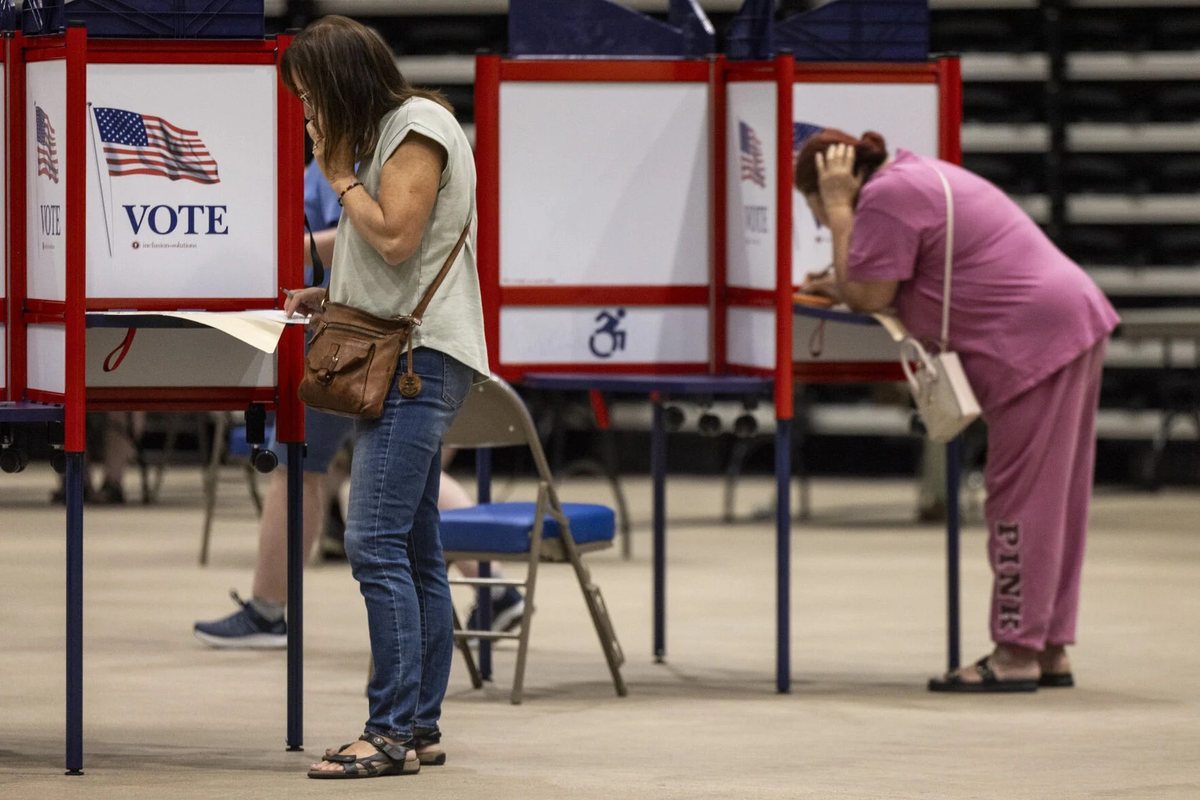
A school bond measure that would have authorized $127 million for much of the deferred maintenance and safety upgrade costs at schools like Will-Moore in the Bismarck Public School District failed to pass during the June primary.
Though 58.68% of voters approved of the fund release, school bond measures must get a supermajority of 60% to pass.
The Bismarck School Board decided on Aug. 10 to try again, placing a $116.5 million measure on the Nov. 3 ballot during the upcoming general election, hoping that higher voter turnout can tip the vote above the 60% mark.
BPS superintendent Jeff Fastnacht said the requested funding is part of a 23-year plan on maintenance and safety improvements.
Tough decisions
If the next bond doesn’t pass, the school system could be faced with difficult decisions, he said, but can at least take care of the most critical ones like at Will-Moore, Bismarck High School and Pioneer Elementary.
“Are we operating with those issues right now? Absolutely,” Fastnacht said. “Are these critical issues? Probably not critical, right, until something bad happens and then someone asks, ‘Why didn’t you get that done?’”
Fastnacht pointed NDNC to what looks like a normal bathroom at South Central High School in Bismarck, asking if that’s critical or not.
“If you’re handicapped, you can’t use it,” he said.
The school had to find a solution, so is using a single bathroom on the top floor that has to be opened by staff with a key any time a disabled person needs to use it. Other schools, he said, have bathrooms too narrow to get wheelchairs in, and it is something that needs to be addressed.
Will-Moore’s acute needs will now have to be addressed using the district’s building fund, said Fastnacht. While the request related to the school is not included in the new bond proposal, the overall vote does still have some impact.
“Even though the school board has committed to that, current students in the building may not see that by the time they start or finish,” Vallejo said. “If that second bond round passes, that timeline should move up significantly sooner.”
Surrey Public Schools also recently failed in a bid during the June primary on a $5.8 million bond measure, with a similar 58.65% vote just below the threshold. It missed passing by five votes.
That bond was meant to address deteriorating portable classrooms and fire safety issues with connections between those classrooms and the main school building.
Luke Schaefer, superintendent at Surrey during the previous bond attempt and current CEO of the Central Regional Education Association, said the inability to pass a fire inspection has triggered the state to reevaluate the school.
“The school is awaiting the report not only to find out what needs to be done in order to pass the inspection, but also a timeline from the state,” Schaefer said. “If not followed adequately and timelines met, it could result in the loss of use of the building.”
Support Independent Journalism
Your donation to the North Dakota News Cooperative puts our communities first by delivering in-depth reporting on the issues that matter most.
Donate to NDNCDire situations
On Aug. 13, the Surrey School Board voted to put that same bond request back on the ballot for November in another attempt to save the school.
“We’re really in a dire situation,” current superintendent Steven Bucks said. “The existing facilities are an issue and need to be corrected, period.”
Bucks said the portable classrooms were meant to be temporary but have been there for “eons” and that the floors are buckling. They need to be replaced with brick-and-mortar classrooms.
Asked whether the 60% supermajority rule was a problem, Bucks said he’s had to get to that level at previous schools in South Dakota and Montana he’d served at, so didn’t see that as the main issue.
“In my previous districts, we always called it kicking the can down the road,” Bucks said. “You know, we’ve got to fix X, Y, or Z, but let's do that next year, next year, and that's what happens over, you know, decades. People are just like, well, we'll fix it when we have money, and then that never happens.”
Changes to the law in the last legislative session required school districts to hold bond elections at the same time as statewide elections, which means school bond votes can now only occur during primary or general elections.
The 60% supermajority rule was retained, but school leaders across the state say that the increasing number of failed bond measures, particularly those with a majority vote just missing the threshold, is leading to pressure to change the rule.
Voter communication key
“You have to communicate what the needs are,” Bucks said. “That's what I'm hoping we can do a better job of here in the fall and get people clear on what the issue is.”
Fastnacht said he’s also learned lessons from the failed vote and said reaching out to voters in a large district like Bismarck is vastly different than in his previous posting as a superintendent in Ellendale.
“We learned that primary elections are dominated by voters who are over 65, and I would say that’s one of the decisions of why the board wants to run it in November, when there’s a more natural bell curve in the voter population,” Fastnacht said.
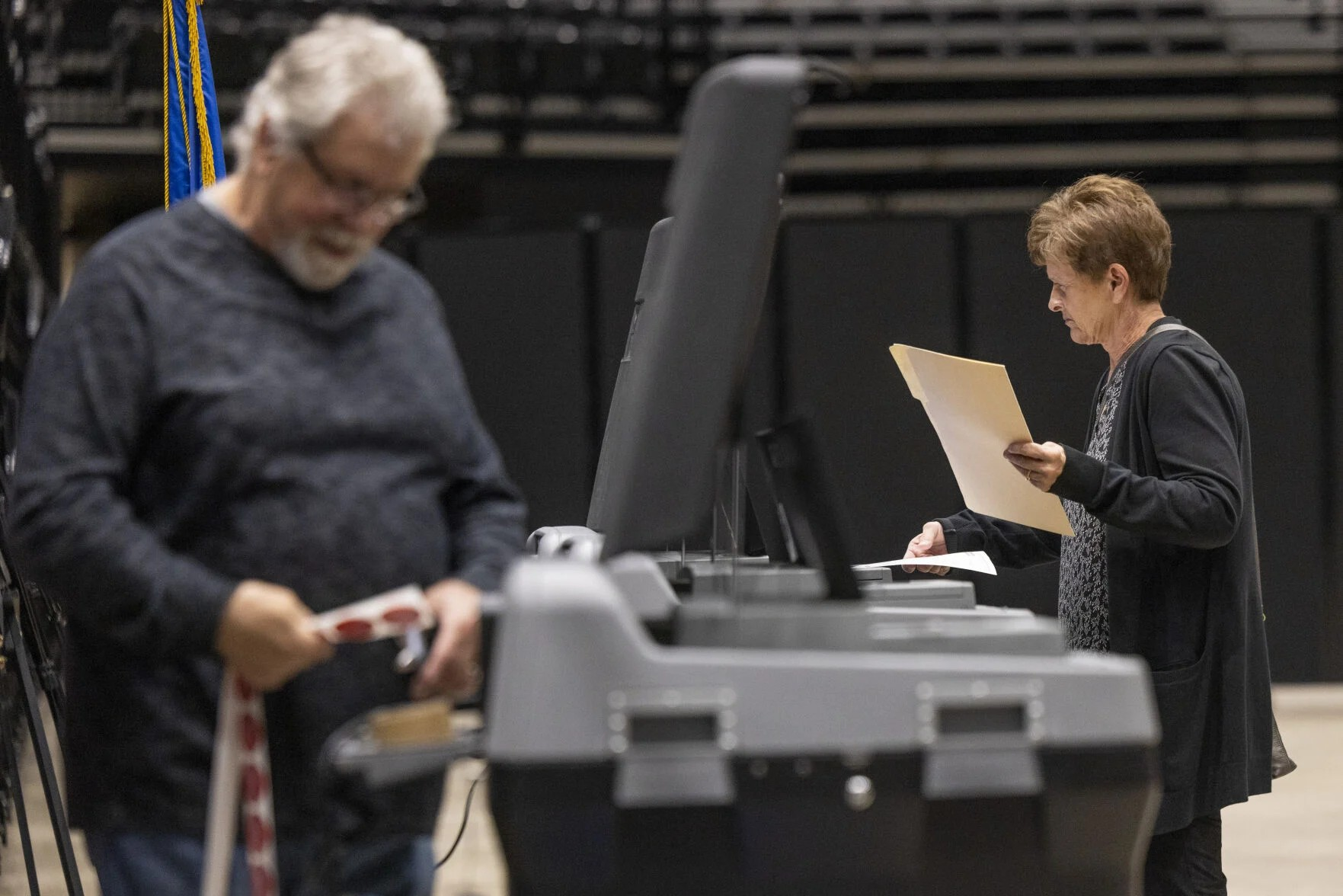
“We’ve had much more support in the population under 65, from those in parent age or with kids just recently out of school,” Fastnacht said.
Similar issues with school bond measures failing to get a supermajority are popping up across the state as residents oppose tax increases.
Central Cass in Casselton has failed three times to entice voters there to pay into a building maintenance fund, most recently in September 2024. Currently, maintenance costs come out of the general budget, which often leads to tough decisions and deferred maintenance.
Over the past decade, of the around 80 school bond votes statewide, 48 have failed. Of those that failed, 19 secured majority votes and 13 were within 5% of the 60% supermajority requirement.
In several locations, this has meant school boards revising the bond, usually with a lower price tag, and then coming back to voters.
With the rule changes requiring votes to be held during primary and general elections, that makes turning around a new bond proposal more challenging.
As a parent with a child in the Bismarck school system, former state Sen. Erin Oban has advocated on behalf of the BPS bond measure. Oban said the new rules “remarkably change the ability to pass” school bond measures.
“I appreciate the goal of trying to get more people voting on these issues, I just don’t believe a 60% majority is the right way to do it,” Oban said.
In areas where voter turnout is low, just a handful of votes can often decide whether a tax is imposed.
“The electorate in a general election is different, and more people show up to vote,” Oban said. “We’re just committed to making sure that more people have more information, and they understand the needs and the impacts.”
Previous rules allowed new bond votes after a few months. Now, if a vote fails in any district, it could mean longer waits for a new proposal to go to voters.
“Timing becomes a very different mechanism than before,” Schaefer said.
In the past schools could conduct meetings, get community feedback, find out what was wrong with the bond proposal and come back relatively soon with a new, scaled-back proposal.
“They can still do that, but they just have to wait until the next primary or general election,” Schaefer said.
Support Independent Journalism
Your donation to the North Dakota News Cooperative puts our communities first by delivering in-depth reporting on the issues that matter most.
Donate to NDNCThe North Dakota News Cooperative is a nonprofit news organization providing reliable and independent reporting on issues and events that impact the lives of North Dakotans. The organization increases the public’s access to quality journalism and advances news literacy across the state.
Have a story idea? Send tips to michael@newscoopnd.org. Connect with us on X or Facebook.