From ‘suck it up’ to sit out: North Dakota youth sports rethink concussions
Awareness helps young athletes handle head injuries, but work still to do
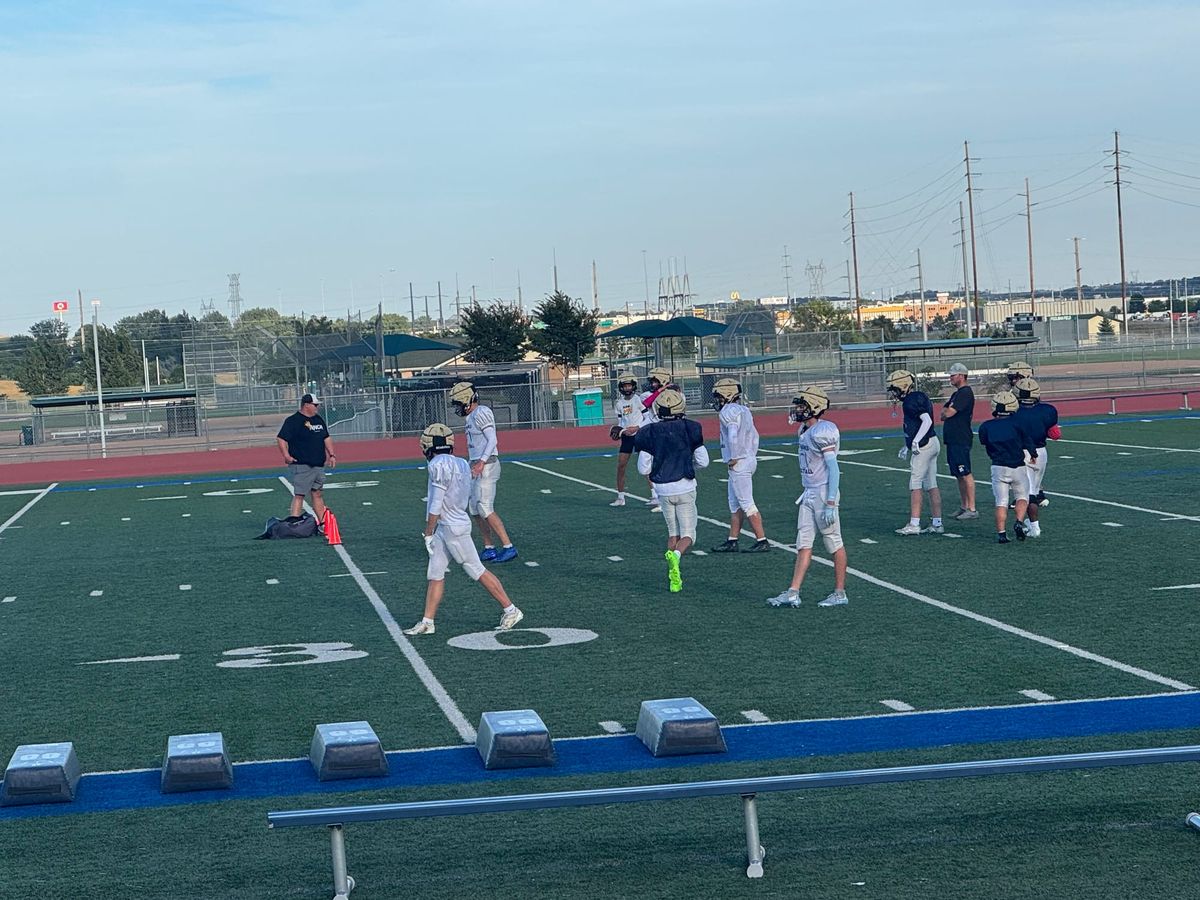
Gone are the days when a kid “getting their bell rung” in youth sports in North Dakota led to perhaps a little time off the field or court, followed by pressure to “suck it up” and play.
Yet, with all the progress toward increasing prevention and awareness around concussion and progressive brain injury, some following the situation say this still happens and more progress can be made.
Gaps exist in rural areas and smaller schools where training and staffing is limited, long-established ideas about getting back on the field prevail, or the use of protective equipment to increase safety and prevention still needs some work.
“I still hear players tell me that ‘Oh, coach said I can't say the C word, or else they'll pull me,’” said Andrea Watkins, a brain injury specialist who works with the North Dakota Brain Injury Network. “So there's definitely still some of that going on, and I see that probably more in our rural areas.”
The risks of head blows causing concussions and chronic traumatic encephalopathy (CTE), a progressive brain disease associated with repeated head trauma, are now discussed openly in pro sports like the National Football League.
Awareness has been elevated further by a study released at the end of August which found at least 25% of NFL players who died between 2016 and 2021 had CTE.
Of the 338 players who donated their brains for the study, 93.2% showed signs of CTE. In the general population, CTE affects less than 1% of people.
“I feel like the stigma behind brain injuries is getting better, especially with the NFL talking about it a little bit more in the news and media and whatnot,” Watkins said.
A survey conducted by North Dakota Health and Human Services in 2023 found that over 20% of middle school students and over 16% of high school students reported a concussion in the previous year from participating in either organized or individual sports or physical activity.
“It’s easy to think, oh it’s just a bump to the head and just brush it off and keep on playing, but we are learning more about the risks of these injuries and what that can mean for you later in life if it’s not handled appropriately,” said Sarah Frauenberg, a family nurse practitioner based in LaMoure who is certified in concussion evaluation.
“The biggest risk is that second concussion,” Frauenberg said. “Now you have that concussion, we need to follow the appropriate protocol. Let your brain heal before you return to play and have that second one on top of the one that maybe hasn't healed yet. Then we're looking at the long-term damage.”
For Cassie Kramer, also a nurse, the potential for long-term impacts hit close to home when her son suffered a severe concussion in football practice.
This led to two weeks off, during which tests and protocols were followed, she said. Testing done using an app to determine balance, cognitive reaction times and stability determined he wasn’t yet at a baseline to return to play, so he was kept out another week.
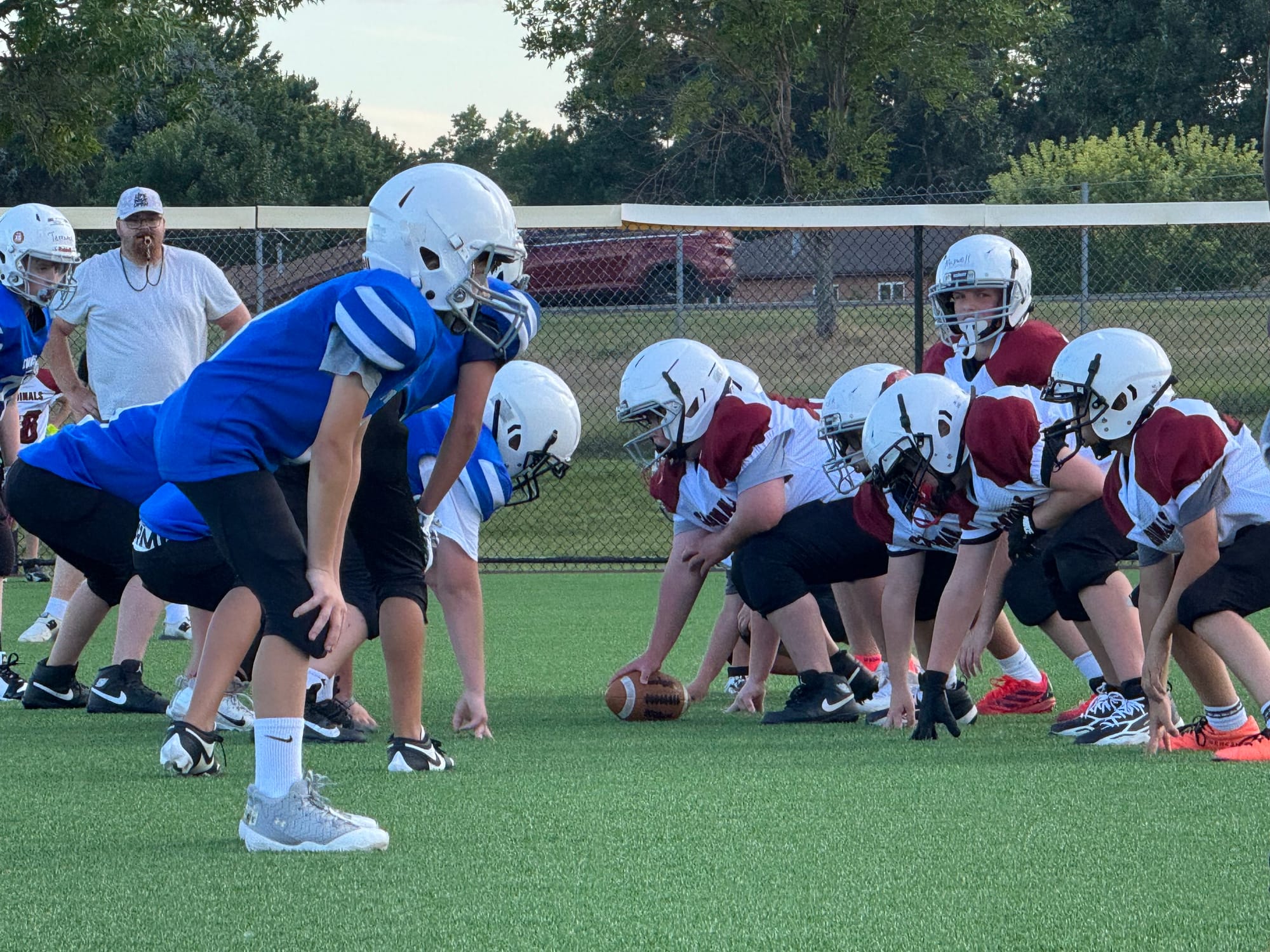
“As far as them taking it seriously, I feel like they all did that very well,” Kramer said of coaches and officials. “When you’re a juvenile, your brain is still developing, and you don’t want to take any chances. I hate to see kids get pushed back in before they’re ready and sustain another concussion right away, because that’s when things can get ugly.”
Kramer’s son did sustain another head injury later in the season, she said, and was held out as a precaution.
“The second rodeo turned out much better, but I think we were just being cautious,” Kramer said.
Concussions and other head injuries aren’t monopolized by football, of course.
Other sports with high potential for contact, like basketball, hockey, baseball – and actual rodeos – are associated with these injuries, but they can occur in other sports and in PE class as well.
Justin Fletschock, assistant director of the North Dakota High School Activities Association, which conducts concussion reviews every two years, said they’ve even seen them in non-contact sports like golf when someone is inadvertently struck by a misplayed ball.
Besides apps for testing those in youth sports to see if they are ready to return, schools across the state have turned to other precautions to prevent or address concussions, he said.
For football, there are protections like Guardian Helmets – soft covering that goes over the helmet to reduce the impact of blows – many teams are adopting for practice or for players who have previously sustained concussions.
Youth football leagues also often have weight restrictions for players who catch or carry the ball, or rules about who is allowed on special teams, so you don’t have a 160-pound kid barreling into someone nearly half their size at full speed.
Fletschock said all sports under their jurisdiction follow National Federation of State High School Associations rules when it comes to concussions and head injuries, as well as the state-level laws. He said he didn’t think there were many people trying to work around these rules.
“I think just the overall awareness in society of head contact has really made it to where everyone's on the same page,” Fletschock said.
Updates to the North Dakota Century Code in 2013 provided a greater foundation for awareness and prevention surrounding concussions requiring all public and non-public schools to follow strict concussion management programs.
State law includes requirements about immediate removal of students from play, practice or training if they show signs of or report a concussion.
“The rules are pretty clear,” he said, adding that to return to play, athletes need to be cleared by licensed healthcare providers certified in concussion care.
The law also requires coaches, athletic trainers and officials to complete one hour of training every two years, which is done through a free program run by the National Federation of State High School Associations.
Parent involvement includes the requirement for students and parents to review and sign documentation that they’ve reviewed state-provided concussion information.
In addition to this, NDHSAA works with a Sports Medicine Advisory Committee to review practices and policies around things like concussions, rules and other potential injuries.
“It’s a really good service to have. It makes me feel better about decisions we make,” Fletschock said.
For those interested in finding out more about concussion, CTE prevention and treatment in general, as well as in youth sports, the North Dakota Brain Injury Network will hold a free online symposium on Sept. 18.
Support Independent Journalism
Your donation to the North Dakota News Cooperative puts our communities first by delivering in-depth reporting on the issues that matter most.
Donate to NDNCThe North Dakota News Cooperative is a nonprofit news organization providing reliable and independent reporting on issues and events that impact the lives of North Dakotans. The organization increases the public’s access to quality journalism and advances news literacy across the state.
Have a story idea? Send tips to michael@newscoopnd.org. Connect with us on X or Facebook.