Family caregivers provide major unseen value across North Dakota
Work estimated at $1.27 billion annually caring for loved ones
Every day, family caregivers provide nursing care, transport, cooking, cleaning and countless other duties for elderly parents, friends, neighbors, spouses and other loved ones across the state.
“If we actually had to pay these folks, it'd be very costly,” said Josh Askvig, North Dakota state director at AARP.
The 82,000 family caregivers across North Dakota spend 58 million hours providing care that, if valued as work, would amount to $1.27 billion annually, a new AARP report has found.
Askvig said communities should be looking at additional support and resources they can put in the hands of caregivers to allow them continue providing the services they do.
The default for most people is to try to stay at home as long as they can, but this can run up against costs and/or burnout from caregivers, Askvig said.
AARP has been pushing for enhancements for family caregivers as part of the federal Rural Health Transformation Program (RHTP), which provides around $200 million in North Dakota this year, as well as increasing state and federal tax credit amounts to reduce some of the burden on caregivers.
“We’re looking at what we can do to build workforces or support the 82,000 family members doing this kind of work out there already, and we’ll see what comes out of that,” Askvig said of the rural health transformation funding.
Askvig said that families should start planning earlier for contingencies for family members that may need care in the future.
“Those are really hard and uncomfortable conversations, and they're not topics that people love to address, but it's so much easier to do it when you're removed from the stress and the emotion if you can,” Askvig said.

Acts of daily service
Navigating complex situations, both emotionally and in real life, is a part of the daily routine of caregivers.
The efforts of these caregivers, often thrust into situations they hadn’t planned for, are mostly unseen and underappreciated, even by themselves.
Bel Neibel of Mandan, caring for a husband Chuck who suffers from cognitive decline, rejects easy labels that can bring along with them conflicting emotions.
“I am a human being who gives care to somebody,” Neibel said. “I identify myself as a woman who happens to be a wife who is giving care to somebody. I think that is really important.”
While assuming the duties, if not the identity, of a caregiver, Neibel said she’s worked hard to develop self-care routines to deal with the stress and forestall any sense of burnout.
“I really work at being independent and by myself and going to things,” she said. “I think when it comes to the caregivers that I have helped, they are so afraid that they're not doing enough, and they get themselves so bogged down.”
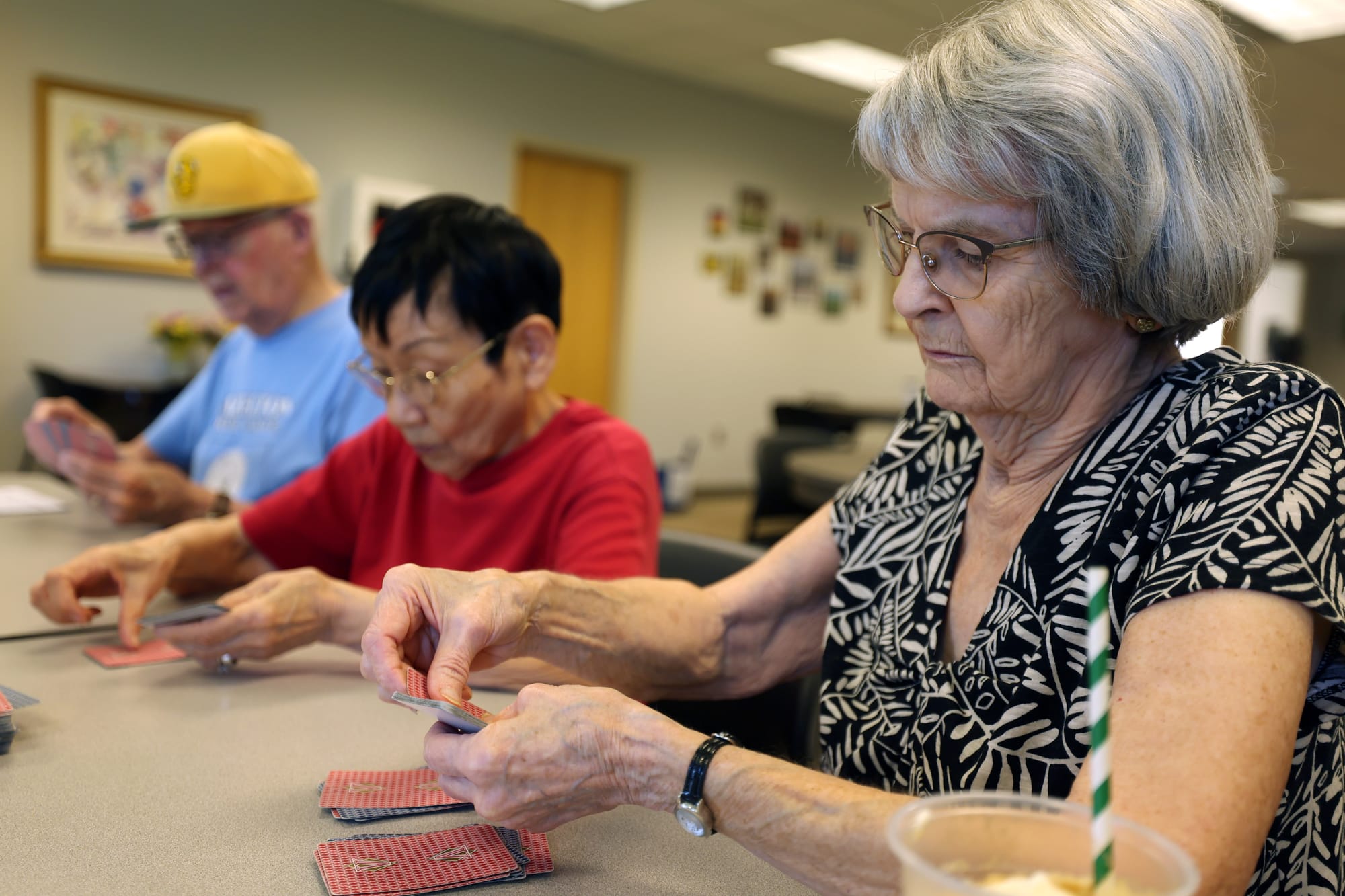
Kathi Schwan, a caregiver in West Fargo, has aided siblings with medical needs including a brother who needed a kidney transplant.
“It throws you into a whole new realm of caregiving,” Schwan said of the transplant situation. “It really kind of immerses you into everything from the financial piece to transportation, going to appointments, taking notes, because that person is so overwhelmed you’ve got to take notes.”
Wider needs
Schwan’s position as a member of the West Fargo Planning & Zoning Committee as well as being a caregiver has given her a unique view on planning and zoning issues that impact people needing care.
One of those issues is how restrictions on short-term rental housing can impact those needing care for something like a transplant.
“You have to be able to stay in Fargo for maybe 30, 60 or 90 days, depending on the situation because you’ve got to be close to the facility if something goes wrong,” Schwan said. “I want to bring a voice to that, because there are people who have this need that can’t afford to stay in a hotel for three months.”
One thing new caregivers struggle with is finding the resources in their area to help them provide care.
Neibel said she is not afraid to ask for help when needed and readily seeks out the abundant and often free resources and classes that are available online or in person for caregivers.
These can be found through senior organizations like AARP, local senior centers and libraries. Locating local institutions with free or discounted meals is also important, she said.
One of the biggest needs she sees is adult day care options, where caregivers can safely take someone under their care for a few hours while caregivers take a break or deal with other aspects of their lives.
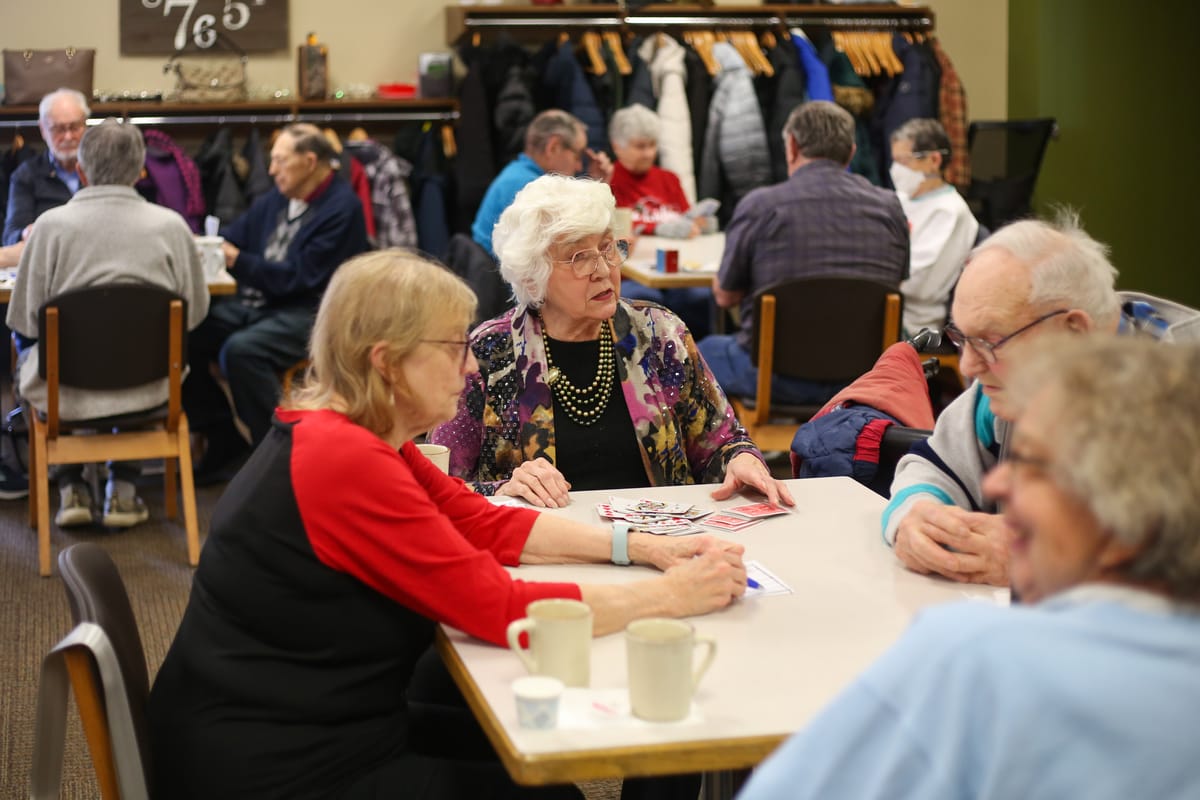
“I’d like to see more reasonably priced adult day care. That is a biggie to me,” Neibel said. “I’d like to see churches step up and say, maybe once a week, have volunteers come and they can do puzzles or play cards or whatever, in a safe, structured environment.”
Schwan said she feels there needs to be more formal peer-to-peer networks for caregivers to share guidance, offer support and fill in knowledge gaps.
“I run into people that say they’re caregivers, and we swap stories, and you find yourself saying ‘Oh, I didn’t know that,’ or there’s a person you know that is really beneficial or will listen or help,” she said. “That’s the network we really probably need most of all.”
Costs of formal care rise
While many feel a sense of duty when called to be a caregiver, for others, it is often a necessity due to the skyrocketing costs of formal care.
North Dakota ranked second behind Hawaii in the growth of the cost of senior care last year, according to care assessment and planning organization CareScout. On average, a private room in a nursing home costs more than $147,000 per year, according to CareScout data.
And even for those in formal care, friends and family members have to step up to provide care, particularly in a deteriorating situation or after death.
Pat Conrad of Bismarck was thrust into a similar situation helping care for a 98-year-old member of her church congregation who was in formal care.
While she didn’t need to take care of any of her friend’s daily needs, the care she provided required her to become something of an investigator, lawyer, accountant, packer, and mover, all at once.
That included helping with her obituary, deciding on a cemetery to be buried at, helping with redoing her will and contacting relatives scattered across the country before she passed in early March.
Those efforts helped the woman reconnect with family before her passing.
“I felt really good about trying to get the family back into communication,” Conrad said. “I think when you go into a nursing home or assisted living facility, everybody assumes everything’s taken care of and you don’t need anyone looking in on you, and that’s really wrong. You definitely need people looking in on you.”

The North Dakota News Cooperative is a nonprofit news organization providing reliable and independent reporting on issues and events that impact the lives of North Dakotans. The organization increases the public’s access to quality journalism and advances news literacy across the state. For more information about NDNC or to make a charitable contribution, please visit newscoopnd.org. Send comments, suggestions or tips to michael@newscoopnd.org. Follow us on Twitter: https://twitter.com/NDNewsCoop.