Bakken boom left lasting impacts, lessons for what comes next
New book examines legacy, from fractured communities to looming water risks
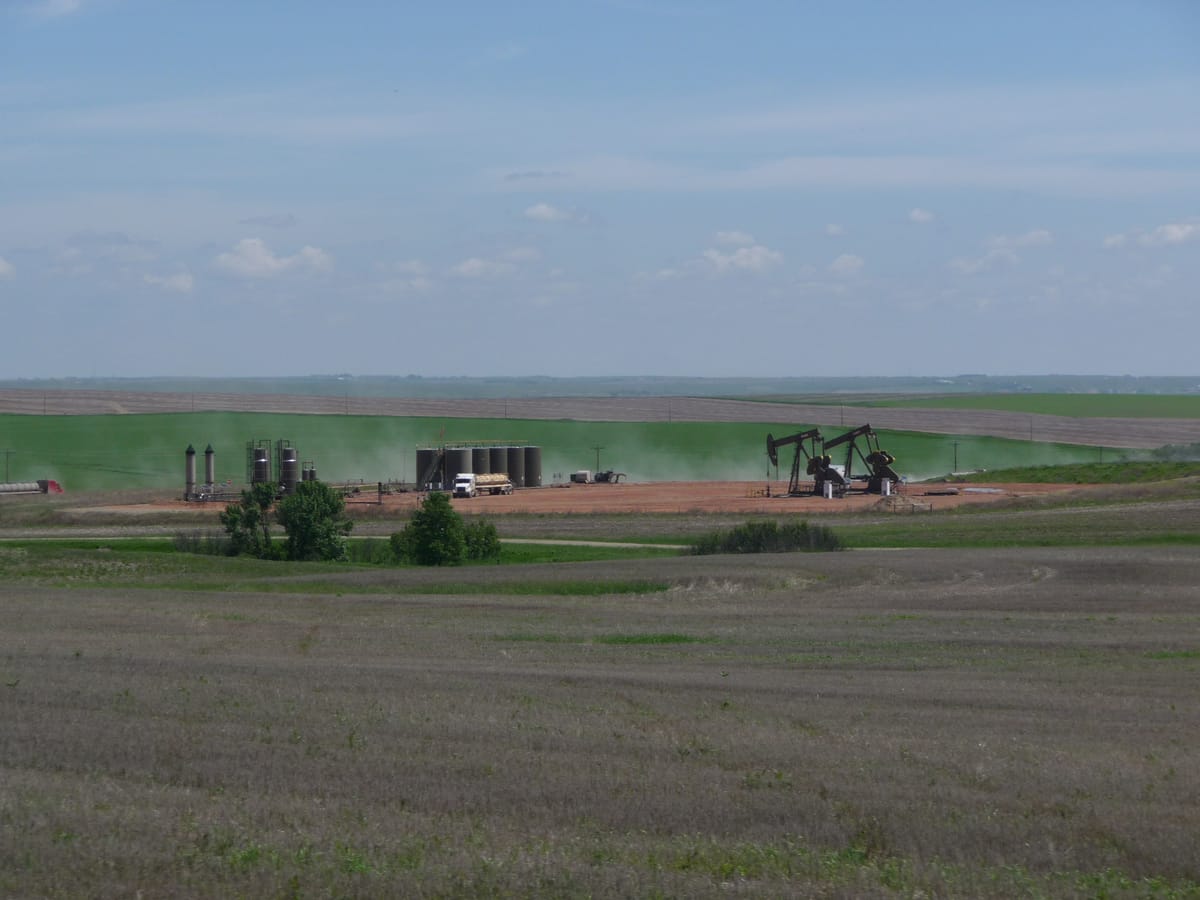
Impacts from the Bakken oil boom nearly two decades ago continue to shape western North Dakota and foreshadow future development challenges, according to a new book.
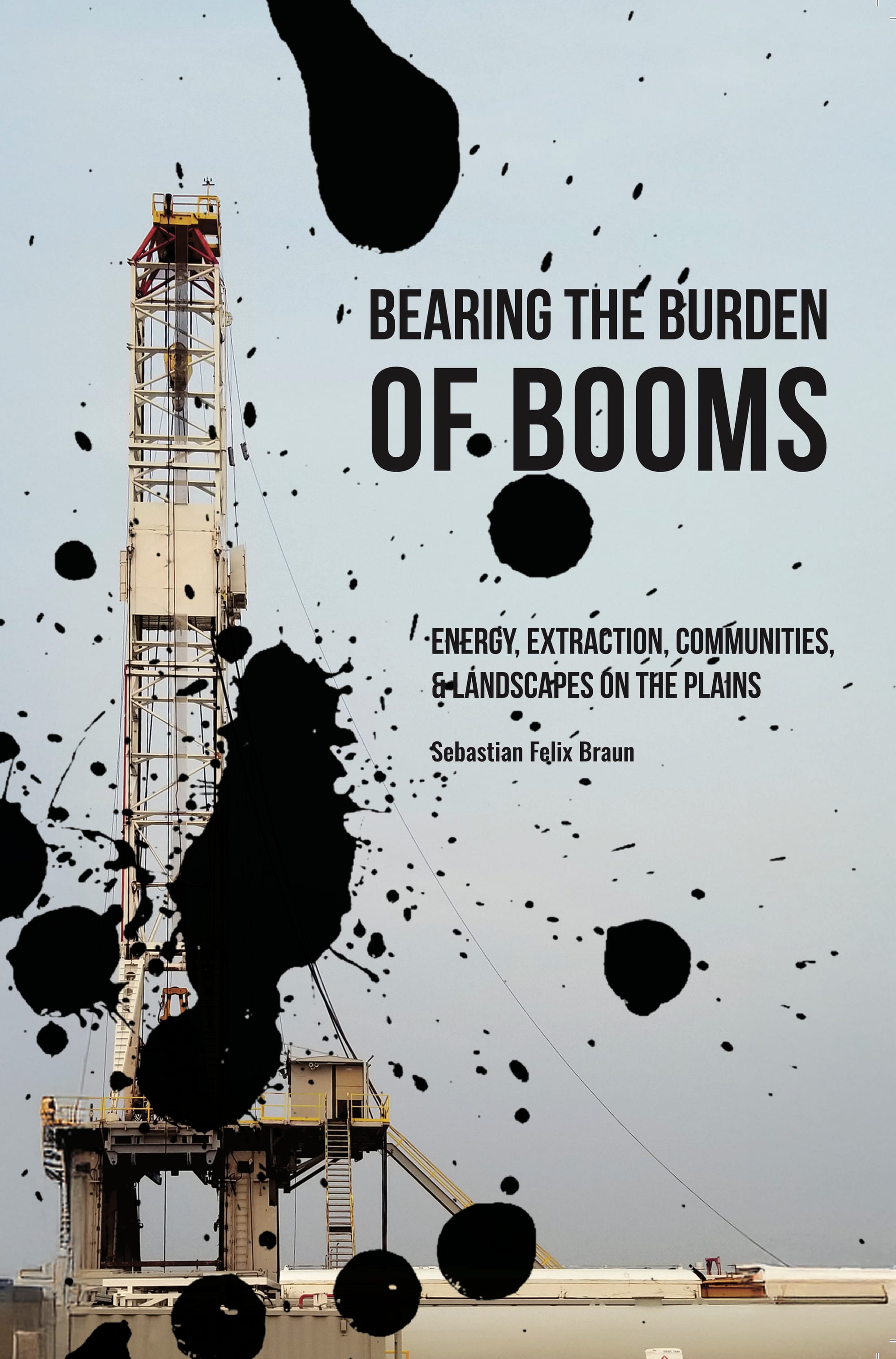
The book, by Sebastian Braun, “Bearing the Burden of Booms: Energy, Extraction, Communities and Landscapes on the Plains,” draws on 15 years of research to examine how rapid resource extraction reshaped communities, economies and landscapes as well as unresolved lessons.
Braun, director of American Indian Studies and professor of political science at Iowa State University, began studying the impact of Bakken development on communities around 2010, when the scale and speed caught many off guard.
Braun, who taught at the University of North Dakota at the time, became intrigued as students from the Bakken began to relay “unbelievable” stories about the impacts of rapid development on communities.
“I got really fascinated about what was going on and really worried about what would happen when the boom went away,” Braun said.

A boom few fully understood
The Bakken surge brought jobs, revenue, and rapid population growth. But Braun argues that even those living through it, including local officials, often struggled to grasp what was happening in real time.
Communities faced housing shortages, infrastructure strain and rising costs, leaving leaders reacting to immediate crises rather than planning long-term.
That lack of historical context and understanding of lessons from earlier oil booms meant many decisions were made without a clear understanding of likely outcomes, he said.
“I hope people can take away from it a sense of what actually happened, because the way that things worked, most people were so overwhelmed by what was going on that they didn’t really understand what was actually going on,” Braun said.
“They were facing an influx of people, a housing crisis, inflation, school impacts … and people just tried to put out each fire,” he said.
The result, Braun suggests, is that the boom’s full story only becomes visible in hindsight.
“I think just thinking it through before things happen or get out of control, thinking through the consequences of what is going to happen, and having a strategy to deal with the inevitable bust, is something we should take to heart,” Braun said of the lessons of the boom. “The consequences are often very destructive.”
The Bakken is not the first or last boom to hit North Dakota.
From energy development to emerging industries like data centers leading to smaller-scale local booms, similar patterns are constantly taking shape.
Braun argues that one of the clearest lessons is the need for deliberate planning, not just for growth, but for what comes after. Booms, he says, are inherently temporary, and communities must prepare for the inevitable downturn.

For him, the book is less about offering definitive answers than providing communities with the information needed to make their own decisions.
“I wrote it for the people in the Bakken, because they should have the opportunity to reflect on it and think it through, and see some of the consequences,” Braun said.
Wealth and division
One of the most enduring legacies is the way oil wealth reshaped social dynamics, particularly within the Mandan, Hidatsa and Arikara tribal lands where oil was tapped.
While some tribal members benefited from royalties and rapid income gains, others were left out, creating divides between haves and have-nots.
In communities where equality and shared identity were long-standing norms, sudden wealth disrupted social cohesion, Braun said.
Rising costs and changing conditions pushed some families off the reservation, often to larger regional cities like Bismarck and Minot, altering cultural ties and kinship networks.
For younger generations, that shift carries lasting consequences.
“Some people moved their families away because they didn’t want their children there (during the boom),” Braun said. “If you move your children away from the tribal community, that means they will inevitably grow up differently, with different cultural influences and things like that.”
The influx of oil revenue also intensified longstanding political and economic questions within tribal governance. Decisions about how to distribute wealth, whether among oil-producing areas or across the entire tribe, became more contentious as the stakes grew.
At the same time, new opportunities emerged. Investments in housing, healthcare and infrastructure improved living conditions for many residents.
Dr. Birgit Hans, Chester Fitz Distinguished Professor Emerita from UND, said the book captures the complexity of the boom and how it was a mixed blessing for native people in the area.
“We don’t have much about the boom, so I think it was something that was needed,” she said.
“What I think is unique, and what this book does, is it looks at the history of (the boom) and tries to address stereotypical perceptions of native people and native communities,” Hans said. “I think it is really valuable in that regard.”
The book is the third in a series from The Digital Press at UND focused on the Bakken oil boom.
Risks beneath the surface
Among the book’s urgent concerns is one that has received relatively little public attention, Braun said. What will be the long-term impacts on water from the Bakken boom?
Hydraulic fracturing has produced billions of gallons of wastewater, much of it injected deep underground into geological formations.
While spills at the surface have drawn scrutiny, Braun says the greater risk may lie below ground where impacts remain uncertain.
“There hasn’t been a comprehensive study done on whether these layers that this water is being pumped into will actually keep the water down,” Braun said.
If contaminants migrate into aquifers used for drinking water or livestock, the damage could be irreversible.
“If that water comes up into the next water level … if that happens, you cannot use it anymore,” Braun said.
The timeline for such risks is unclear, but Braun warns that by the time problems emerge, the companies responsible may no longer exist.

The North Dakota News Cooperative is a nonprofit news organization providing reliable and independent reporting on issues and events that impact the lives of North Dakotans. The organization increases the public’s access to quality journalism and advances news literacy across the state. For more information about NDNC or to make a charitable contribution, please visit newscoopnd.org. Send comments, suggestions or tips to michael@newscoopnd.org. Follow us on Twitter: https://twitter.com/NDNewsCoop.