New rural hospital network helping ND’s rural hospitals survive, thrive
Hospitals retaining independence through collaboration
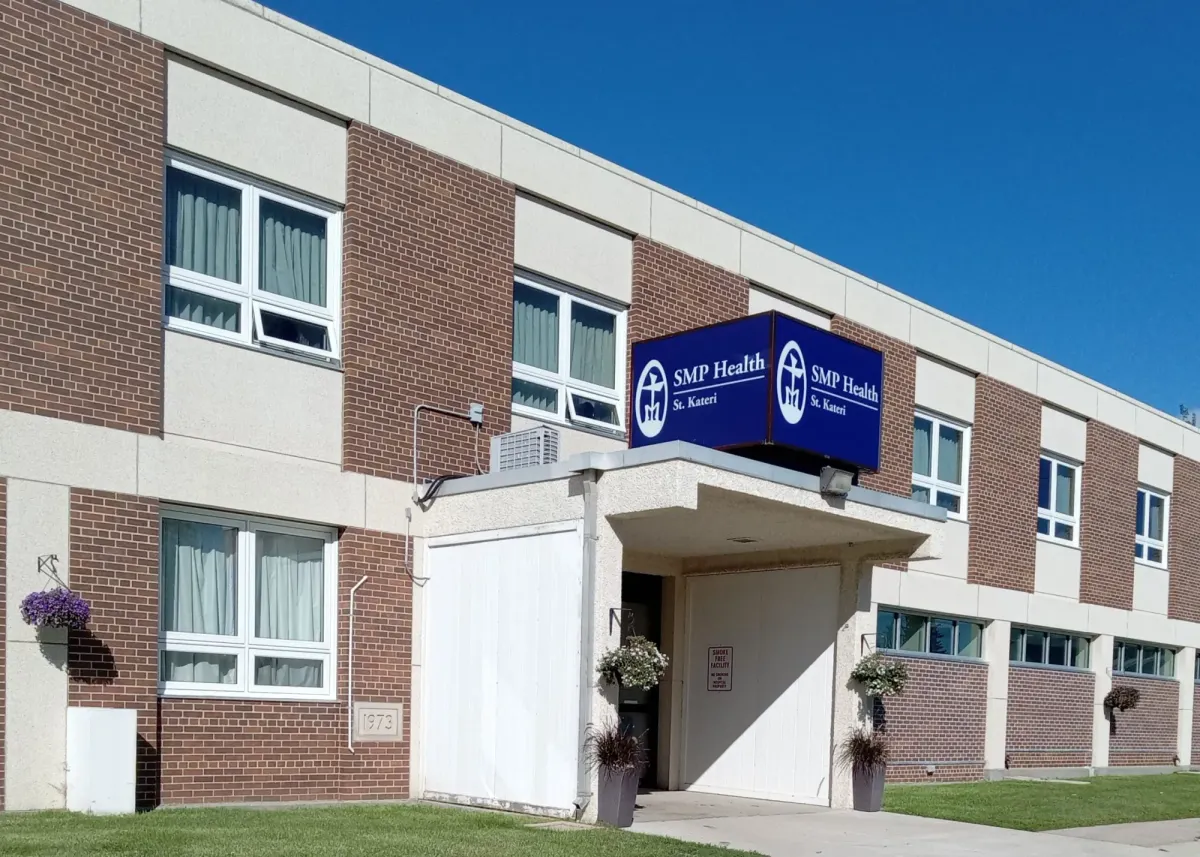
A three-year-old network for collaboration between rural hospitals in North Dakota is winning accolades and giving other states a template to follow that cuts costs, improves patient outcomes and protects the hospitals’ independence.
“I think if you talk about rural health transformation, this is the most transformative thing that's going on in rural health in North Dakota,” said Chris Albertson, CEO of SMP Health - St. Kateri in Rolla. “It’s what other states are starting to follow, the same model.”
Albertson is talking about the impact of the Rough Rider High Value Network (RRHVN), formed in 2023 among 23 independent rural and critical access hospitals that collectively serve around 65% of North Dakota’s rural population.
“You're getting way more bang for your buck out of hospitals working together. It’s independence through interdependence,” he said.
St. Kateri, a 25-bed critical access hospital in Rolla, was among the first chosen to pilot in the network.
“I said I want to see it work, and I want to see it work in probably the hardest subset of the patient population we have,” said Alfred Sams, president and CEO of the RRHVN, who came to the position with more than a decade of rural healthcare experience in North Dakota.
Sams said the Rollette County population the hospital serves, with many dual-enrolled on tribal insurance and Medicaid, has one of the highest numbers of traditional Medicaid patients.
So far, St. Kateri has been able to reduce hospital readmission rates from around 16.5% down to around 5% by being part of the network.
“The social determinants of health in this area are high, the social needs are high,” said Kathleen Langan, Vice President of quality at St. Kateri, of what the network is able to provide. “So just being able to coordinate that care and talk to the patient, then relay that to the provider and make sure all the gaps are covered (helps).”
The integration also reduced the number of emergency room visits by 536 over a nine-month period, saving approximately $1.13 million in healthcare spending. Integration has also helped the hospital avoid around $500,000 in Medicare spending in that span.
“It has worked amazing,” Sams said.
Part of the rollout was a partnership between the network and Caret Health on improving outcomes for patients on Medicaid, said Albertson.
It’s had a significant impact, he said, in reaching patients who can sometimes be difficult to connect with to ensure they’re getting to appointments, with some of those cases already saving lives and costs.
“We had a lady who we were able to have her come in for a clinic appointment and got her set up for a mammogram, and they found breast cancer, she didn’t show any signs,” Albertson said.
“So that’s saved that person’s life, potentially, but also saved the Medicaid system a significant amount because if you catch these things earlier it costs less.”
By partnering in the network, Albertson said it allows for better collection and collaboration on patient data, as well as having dedicated staff to reach out to patients directly, which a small hospital can’t always do alone.
Data demands can have significant impacts on individual rural hospitals, so collaboration can help cut those costs and solidify patient data streams.
Albertson said cancer care navigation has improved significantly as well, so when there’s a diagnosis the patient is turned over to a care navigator that helps them through the entire process.
“It’s to make sure no one is falling through the cracks,” Albertson said. “So if you have lung cancer, it’s making sure they’re seeing an oncologist on time, making those follow-ups and referrals and making sure those aren’t getting dropped. Making sure they’re able to make the care appointments.”
Lori Martinson, cancer care coordinator at St. Kateri, said integration into the network has helped greatly with troubleshooting when it comes to care.
“The main thing with Rough Rider is the proactive primary care and engagement,” she said. “That’s huge.”
Having that one point of contact personalizes the process as well, so the patient isn’t getting calls from all the different specialists, potentially missing calls or creating confusion.
“The network as a whole is doing great things,” Albertson said. “We’re just on the cusp of doing more great things.”
At the network level, across those 23 hospitals, the RRHVN has increased colorectal cancer screenings by around 12%, cervical cancer screenings by around 11%, and breast cancer screenings by 10%.
Sams said the idea started to develop back in 2020 when rural hospital directors in North Dakota started talking about how to meaningfully transform rural health for hospitals and providers so they didn’t get gobbled up in the system.
“Everybody wanted to maintain local leadership, local board governance, and some of the local decision making, but also be able to function as a larger group,” Sams said.
Just a few years in now, the network was highlighted in a recent report by the Centers for Medicare and Medicaid Services (CMS) as the kind of collaborative venture that something like the federal Rural Health Transformation Program should support and that other states could emulate.
Sams said CMS had him come out to Washington, D.C., at least four times to talk about what the network has been doing and its positive outcomes.
“The report basically said, if you want your state to succeed, model after this network, which is pretty cool for us,” Sams said.
The North Dakota Legislature appropriated $3.5 million to help the initiative get off the ground back in 2023.
By aggregating patients across the network, the network of hospitals can also jointly take on risks that individual hospitals might not be able to, Sams said.
Overall adult preventive visits have also doubled, and there have been measurable improvements on both blood pressure and diabetes control across the network.
Part of that is through the improved outreach a network like this can provide.
Kali Luecke, a physician assistant at St. Kateri, said the monthly clinical integration meetings she has with others in the network are another aspect that’s helped and not something readily available to an individual hospital going it alone.
“It’s like what are you doing that’s working, what’s not working, and being able to pull from everybody and use everyone’s ideas has been really helpful,” Luecke said.
Besides medical staff like Luecke, the CEOs, nursing staff, and business staff all meet monthly to work on further coordination, troubleshooting and sharing best practices, said Sams.
As North Dakota has one of the highest rates of rural healthcare deserts, only behind Wyoming, a network like this is also seen to help prevent further hospital closures or continued erosion of rural healthcare.
“We actually have been substantially moving the needle and helping these hospitals deliver quality care,” Sams said. “The hospitals are doing the work. The network is the aggregation tool.”
Also included in the network are Ashley Medical Center (Ashley), St Andrews Hospital (Bottineau), Southwest Healthcare Services (Bowman), Towner County Med Center (Cando), Pembina County Mem Hospital (Cavalier), Cooperstown Med Center (Cooperstown), St. Luke’s Hospital (Crosby), Jacobson Mem Hospital (Elgin), St. Aloisius Hospital (Harvey), Unity Medical, Center (Grafton), Linton Hospital (Linton), First Care Health Center (Park River), Heart of America (Rugby), Northwood Deaconess (Northwood), Altru Health System (Grand Forks), Altru Devils Lake (Devils Lake), Tioga Medical Center (Tioga), South Central Health (Wishek), Langdon Prairie Health (Langdon), McKenzie County Health System (Watford City), Jamestown Regional (Jamestown), Nelson County Health System (McVille).
Support rural news by donating now.
Because we don't receive network funding, our independent journalism relies on supporters like you.
Donate to NDNCThe North Dakota News Cooperative is a nonprofit news organization providing reliable and independent reporting on issues and events that impact the lives of North Dakotans. The organization increases the public’s access to quality journalism and advances news literacy across the state.
Have a story idea? Send tips to michael@newscoopnd.org. Connect with us on X or Facebook.