As harvest starts, ND farmers facing perfect storm of uncertainty
High costs for diesel, fertilizer, renewed trade war adds to challenges
With sky-high diesel and fertilizer prices, along with a renewed trade war with Canada, North Dakota farmers are in a heightened state of uncertainty going into the harvest season.
The lack of resolution in the war with Iran and now a trade war with Canada are making it difficult for farmers to plan for the future.
“I think the biggest challenge here is the high level of uncertainty that farmers and ranchers are operating under,” said North Dakota Farmers Union President Matt Perdue.
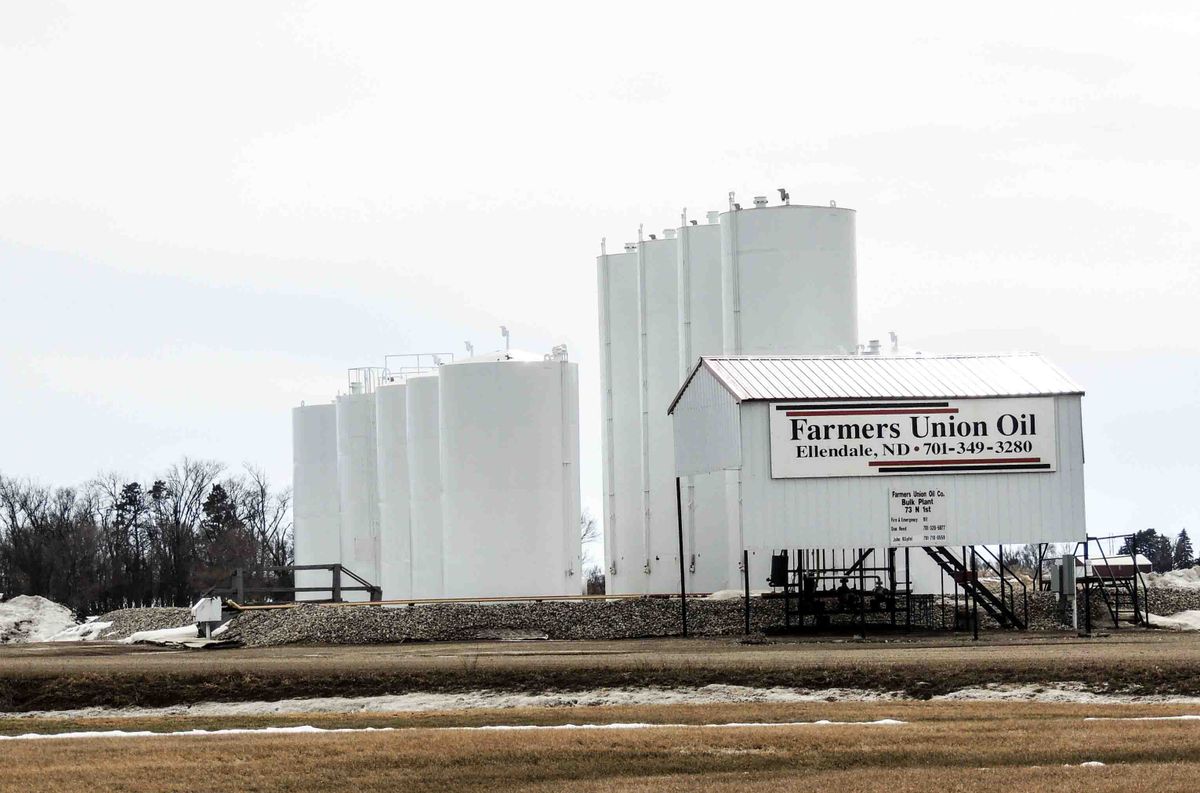
Perdue said it’s been hard for farmers to foresee or plan for diesel costs that are more than $2 per gallon higher than they were at the start of the year. Farmers have already experienced higher energy and input costs since the start of the war with Iran in February
Parts that take two weeks longer to get delivered or may be 50% higher than they were because of trade friction are an added headache, he said.
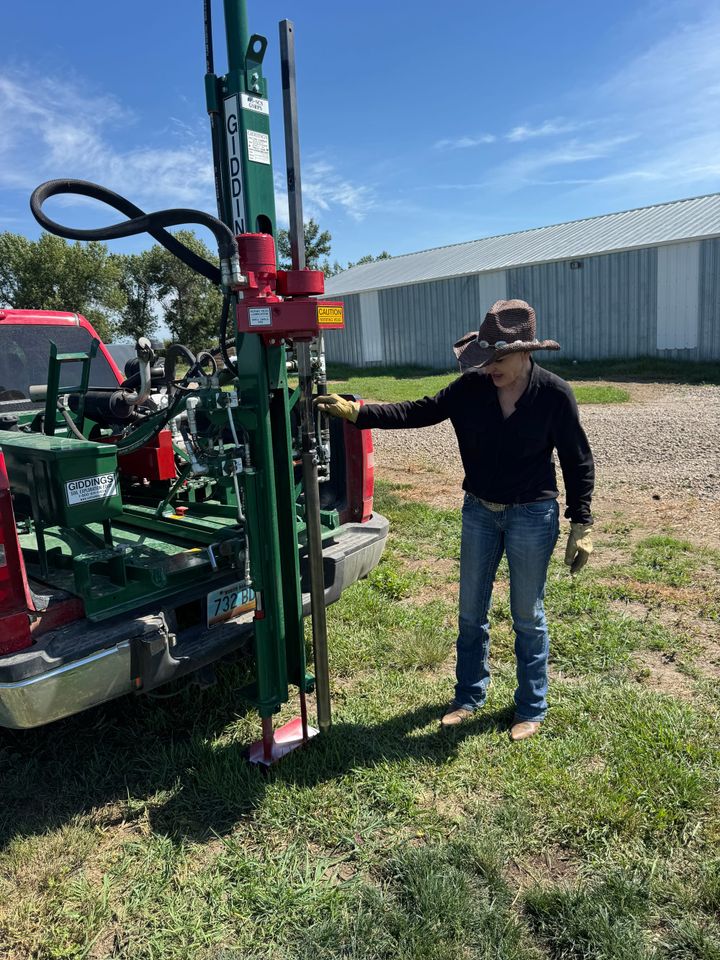
“I think that there's so much volatility coming at farmers from so many angles, and there's so much uncertainty from day to day, that it's creating a really challenging environment for us to operate in,” Perdue said from his family farm in Ray, where he was starting to harvest.
While diesel costs for a typical farm are generally low compared with other input costs, the nearly doubling of the price does have a cumulative impact.

“The effects are real and going to be felt, and of course, it's a cost you're going to endure because you have to get the crop off, right? So no diesel, no machinery,” said associate professor and bioenergy economist David Ripplinger at North Dakota State University.
“It’s certainly a negative on farmers' balance sheets. So we'll see how that kind of weighs against everything else,” he said.
While commodities like grains and ethanol aren’t on Canada’s retaliatory tariff list released Aug. 25, Canada is North Dakota’s largest agricultural export market at around $1 billion annually.
“As I talk to farmers and farm managers, not only about getting the grain markets, but kind of what's happening in the whole world of trade and costs, there’s just a huge level of uncertainty,” Frayne Olson, NDSU professor and crops economist, said.
Since part of his job is to help farmers make better decisions, one growing frustration for him is the difficulty of giving strategic advice for future planning, he said.
“That's just adding to the whole level of stress because it's like, hey, I don't want to make a dumb decision,” Olson said. “I don't want to zig when I should have zagged.”
While commodities aren’t impacted, tariffs on either side of the border can zap other products, particularly agricultural machinery and parts, and create supply chain chaos.
Pricey specialized air seeders and no-till drills made in Canada could cost 25% to 50% more come Sept. 8 when Canada’s tariffs take effect, for example.

“There's a couple really big Canadian manufacturers of the kind of seeding equipment that is used a lot in minimum till or no till farming practices here in North Dakota,” Olson said.
While also not targeted, there’s also some concern that with 90% of the state’s potash coming from Canada, prices could be impacted or supplies affected, shrinking already tight profit margins.
Perdue, who farms near the Canadian border, said the strained trade ties have added to concern for farmers in his area not only on the big-picture items but on day-to-day operations.
“There’s challenges and confusion and sort of a chilling effect these tensions have on cross-border business that are a real problem for farmers and ranchers, particularly in the northern tier of our state,” he said.
Ron Haugen, a farm management specialist at NDSU Extension, said the effects of a lot of these issues are difficult to generalize because individual farmers have made different decisions throughout the year and may have already secured diesel or fertilizer at a lower price than another farmer who waited and got stuck with the higher costs.
“So there's a lot of variability there,” Haugen said. “The diesel price is higher, so it's roughly, depending on your situation if they do tillage or not, it's going to be between $5 and $8 an acre more.”
Farmers, he said, can generally absorb that cost. Where diesel becomes more of a factor is in raising the cost of everything else.
“I think the biggest problem is that everything that the farmer buys and the consumer buys is transported by diesel, either truck or rail or ship, and so everything you buy is going to be higher too,” Haugen said. “So that means parts, which are already high for farm equipment, they'll just even be higher.”
Pam Johnson, an Iowa farmer and former president of the National Corn Growers Association, said during a Restore American Agriculture media briefing on Aug. 24 that she continues hearing concerns about diesel prices, fertilizer availability and whether farms can withstand the onslaught.
“It's projected that farmers aren't going to make any money for the next two years,” Johnson said. “This is a serious crisis out here.”
Continued pressures could lead to more bankruptcies or liquidations of assets and acreage, Perdue said.
“We're certainly seeing more farmers and more ranchers facing some economic stress because of high costs, and I don't see anything in the next 12 to 24 months that's going to take that pressure off,” he said.
Support rural news by donating now.
Because we don't receive network funding, our independent journalism relies on supporters like you.
Donate to NDNCThe North Dakota News Cooperative is a nonprofit news organization providing reliable and independent reporting on issues and events that impact the lives of North Dakotans. The organization increases the public’s access to quality journalism and advances news literacy across the state.
Have a story idea? Send tips to michael@newscoopnd.org. Connect with us on X or Facebook.