
What the ‘Whooper Highway’ revealed about North Dakota’s remaining prairie
In part two of this Backstory interview, conservation photographer Mike Forsberg and Andrew Caven of the International Crane Foundation reflect on the North Dakota portion of their completed 2,500-mile bicycle journey from Texas to Canada.
Listen here:
Forsberg describes riding through the Missouri Coteau southeast of Bismarck as moving through a painting, with rolling hills, wildflowers, grazing cattle and calling birds. Caven says the area was among the most ecologically intact landscapes they encountered during the trip.
But elsewhere in the state, they saw the effects of continued grassland and wetland conversion. Caven says some birds and plants he expected to find in northwestern North Dakota did not appear until the cyclists reached Saskatchewan.
The conversation also examines the importance of restoring native plants. Caven explains how grasslands dominated by introduced species differ from native habitat and can affect the birds and other wildlife that depend on them.
This is part two of a two-part conversation. Listen to part one here:
 ND News Cooperative
Read the full article here:
 Michael Standaert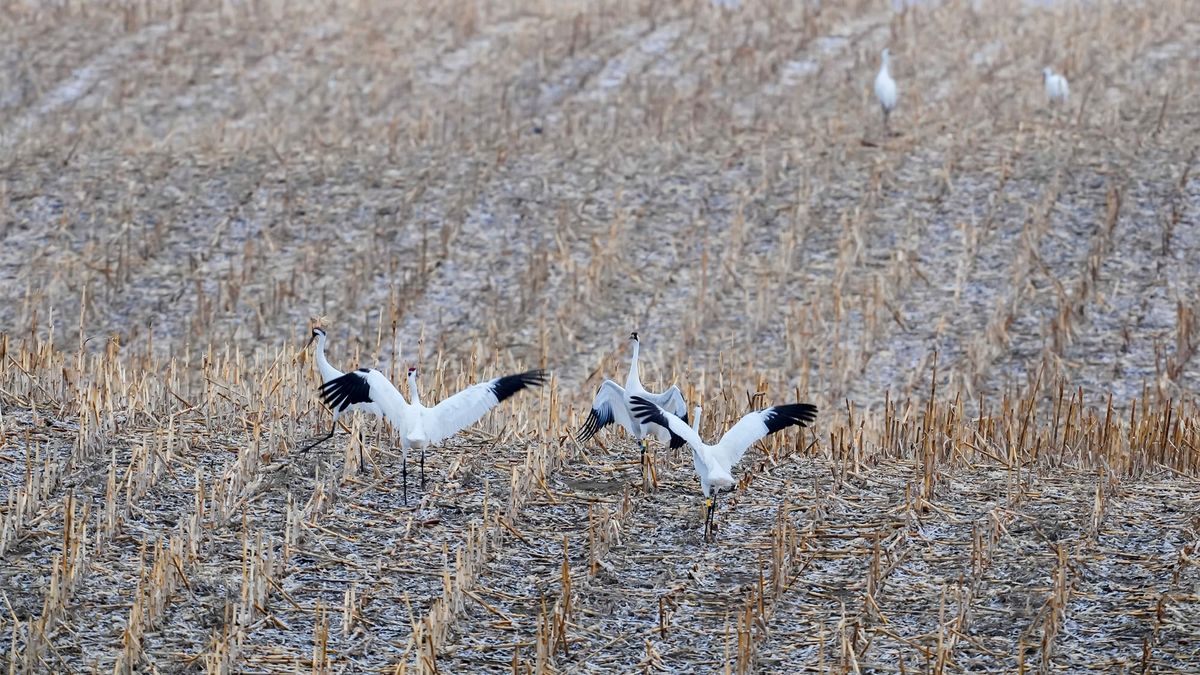
The Backstory is produced by the North Dakota News Cooperative, a nonprofit newsroom providing in-depth reporting to newspapers across the state. If you value this kind of journalism, consider making a donation to support our work.