Interactive Presidential Library highlights Roosevelt’s life, conservation efforts
Medora expecting crowds, and changes, as word of experience gets out
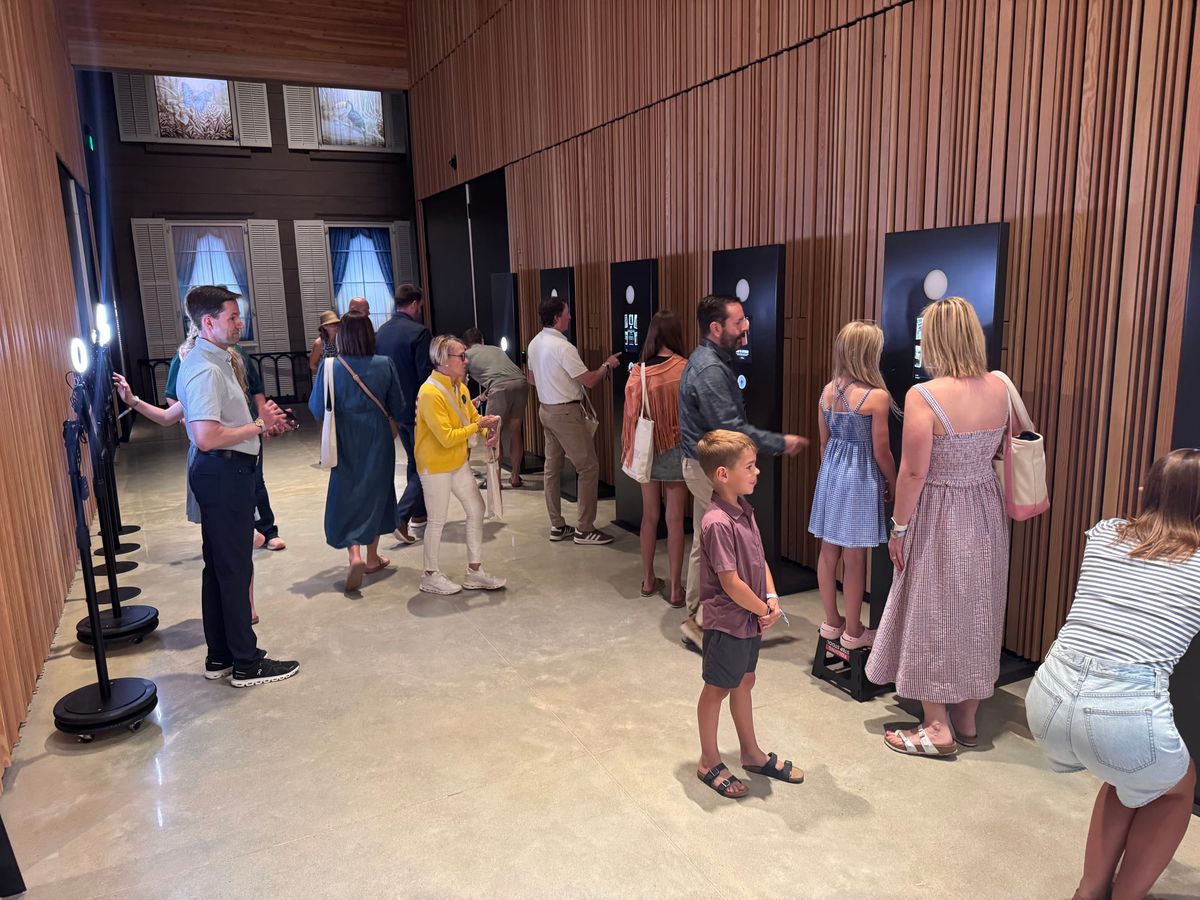
Rumbling virtual train car rides. Avatar butterflies fleeing a mounting case to fly around the room. Shadows of flies buzzing around a harbor seal skull.
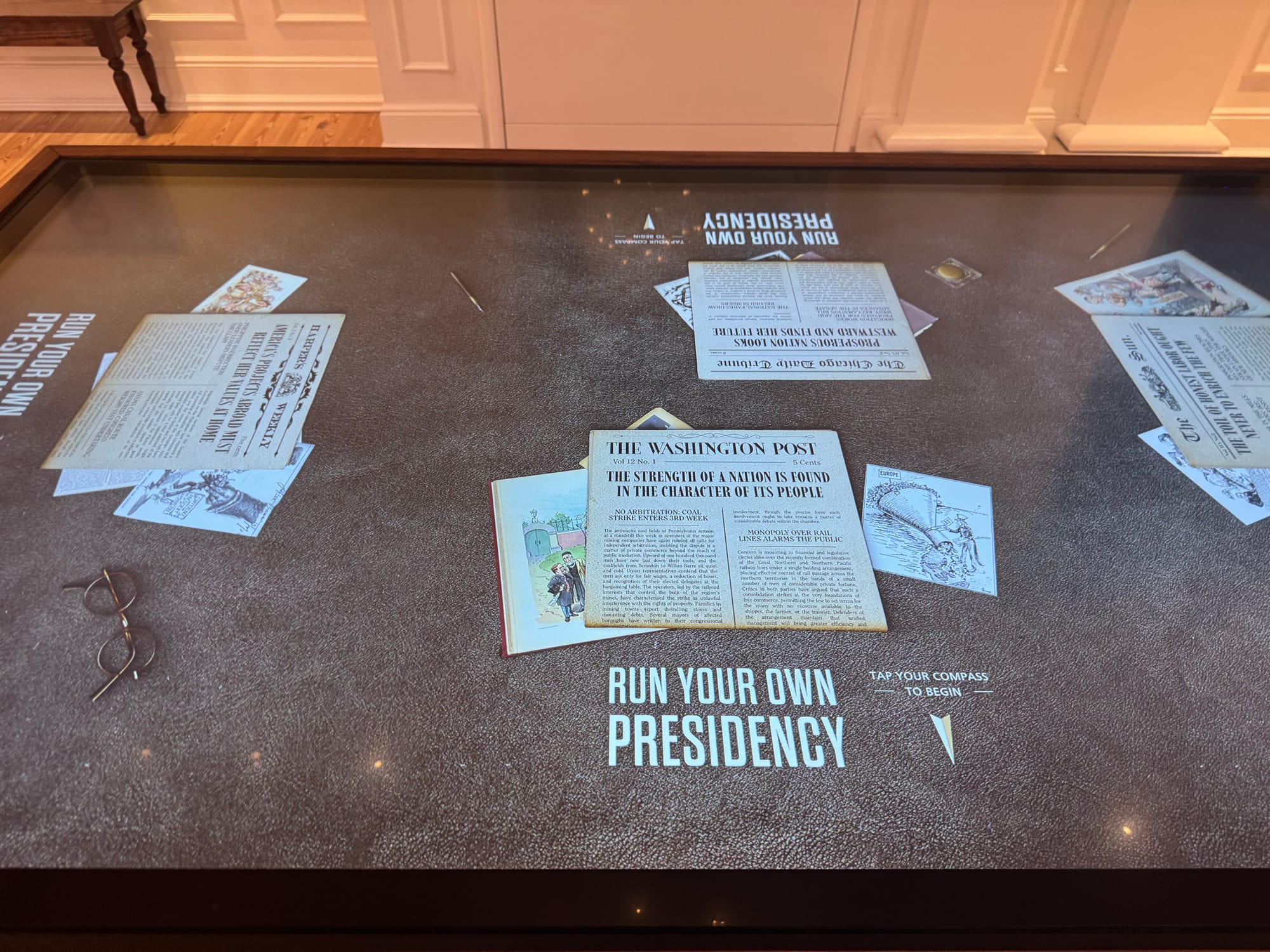
A panoramic charge up San Juan Hill. Toy rifles for virtual shooting of bottles from a fence. An AI Theodore Roosevelt telling stories and answering questions. Building a campaign poster and setting out for a presidential run.
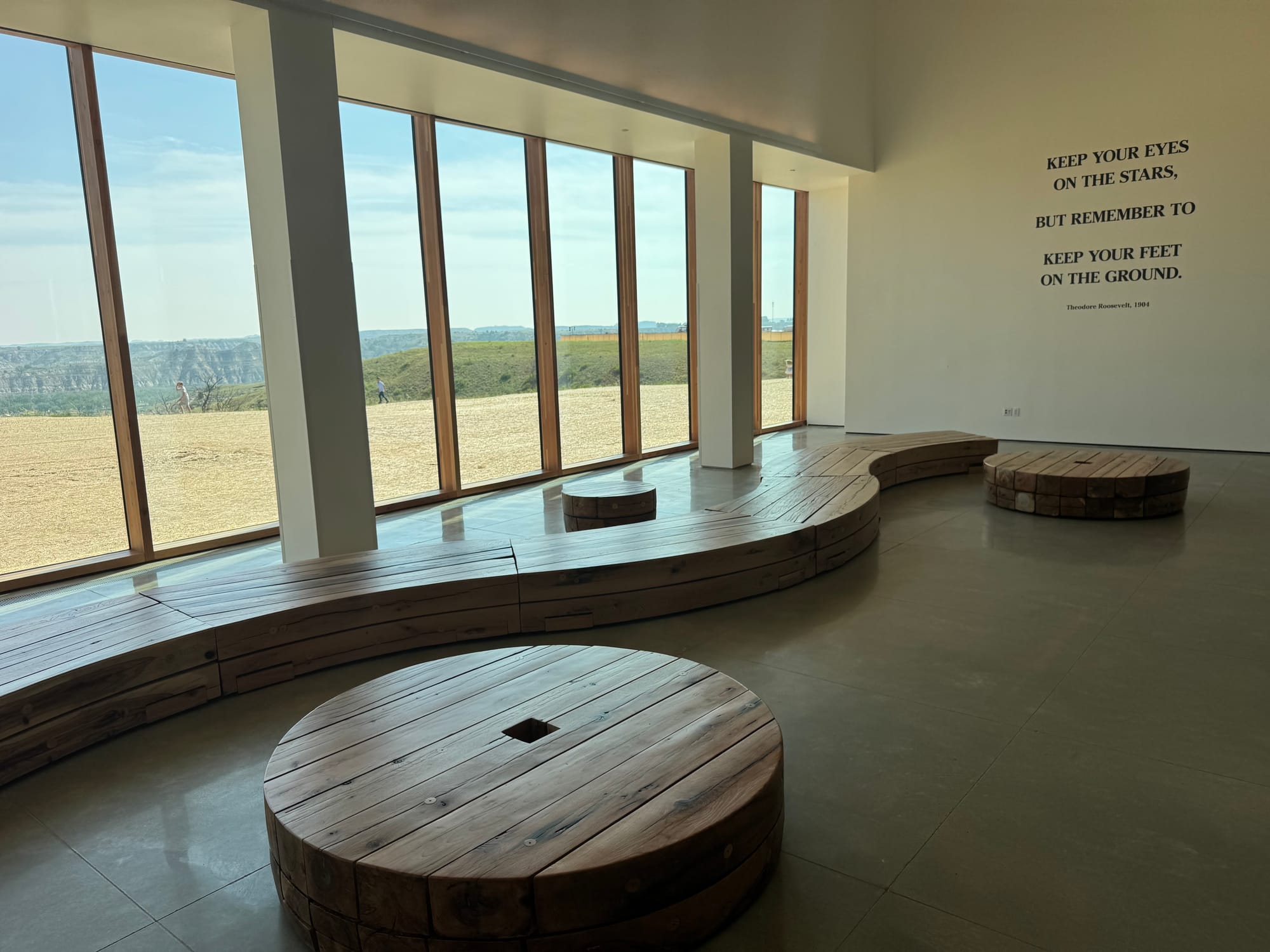
These are just a few of the many interactive features visitors experience as they meander through the newly opened Theodore Roosevelt Presidential Library, adding a vibrancy to the journey through the life of this remarkable man that few presidential libraries attain.
Upon entering, visitors are given a wristband with a wooden compass attached that they scan into a system, allowing them to see themselves in period dress at different stages in the journey through Roosevelt’s life - cowboy, sailor, soldier, politico.
“People are just overwhelmed with all the interactive experiences that they weren’t expecting,” said Matt Briney, chief communications officer for the TRPL.
“The whole idea is that it puts you into the arena, and I think the reaction of guests is going to be the thing that is most special for me,” Briney said.
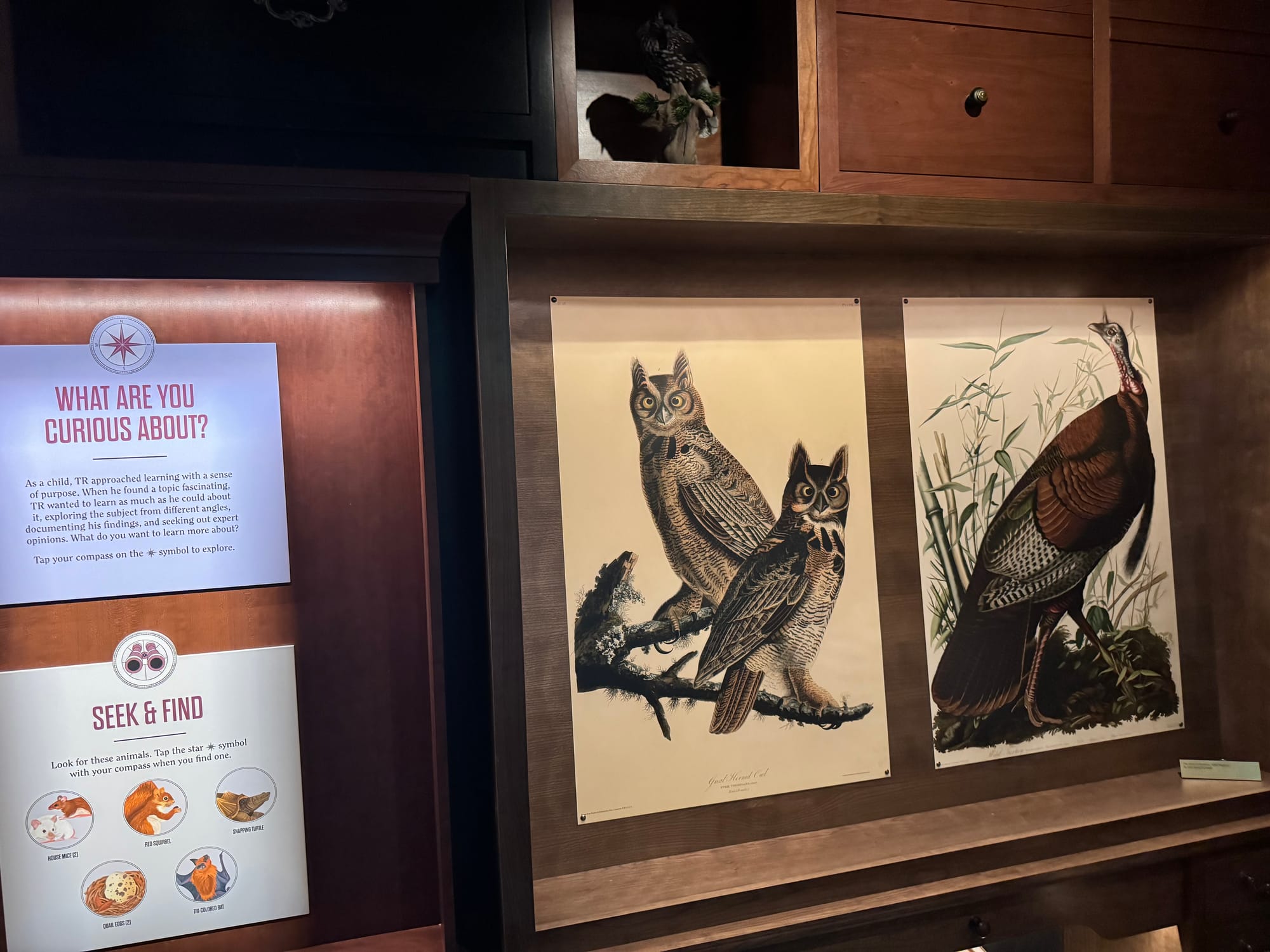
While guided tours are available, self-guiding allows visitors to trace Roosevelt’s early interests in animals and the outdoors and how that built his desire to craft a bold and courageous life for himself, as well as how his ideas about conservation emerged throughout his life.
Dark and light play prominently as visitors pass from room to room, reflecting on Roosevelt’s sometimes tumultuous life.
The journey through includes Roosevelt’s time in the North Dakota badlands following the deaths of his mother and first wife Alice, early political rise and later presidential campaigns, his times in Cuba, Africa and Panama, and his conservation efforts including the establishing of what would become the first national wildlife refuge, Pelican Island in Florida.
For Simon Roosevelt, the details about his great-great grandfather’s conservation efforts displayed throughout the library brought home how important of a figure he has been in protecting and preserving America’s lands.
“I don’t want to say any one thing was the most important to him, but the land, the outdoors, the wildlife, if there were things he cared so deeply about from the time he was small until his very last days, those were it,” Roosevelt said.
Roosevelt said he hopes the library becomes something beyond just a place to visit once, but a continuing draw for people, particularly as the programming is built out.
“I hope it will become a gathering space for people to come share ideas, to advance ideas forward, and for solutions to come out of those meetings to advance the interests of the whole country,” Roosevelt said.
“I guess I overwhelmingly feel proud that the values and the things that were most important to him are finding expression here in the way that they are,” he said.
Rex Shulz, president of Ducks Unlimited, said he was very impressed with the library and how it fit into the setting of the North Dakota badlands as well as the context of Theodore Roosevelt’s life.
“That Roosevelt had conservation prior to anyone else recognizing that, he was so impactful being that first generation of conservation, and being a conservationist myself and in my volunteerism, that really resonates with me,” Schulz said.
The TRPL has gone from concept stage over a decade ago, to several years of concepts, then finally construction and exhibit development during the past three or so years, with leadership appearing to hit all the right notes on how the experience is for visitors.
Briney said there was a lot of time spent on figuring these issues out - whether it would be a library with a lot of books and research, or something like a museum full of relics and artefacts - and veered down a road not often taken with presidential libraries.
“I think people are going to be blown away by the fact that it is neither of those things,” Briney said.
Supporters of the library, Char and Duey Marthaller, who’ve been involved since 2020 and volunteered with helping plant the grasses on the roof, said Medora will possibly experience some change - more crowds at times, maybe a bit more congestion at others - but that the addition of the library to the community is an exciting development.
“We think that over time it’s going to even out and mesh with all the other things going on in Medora,” Duey Marthaller said. “It’s not going to be a crowded place every day.”
While some local residents privately express concern about potential impacts, including costs, more crowds and higher prices at stores and restaurants, others are going with the flow and businesses expect it will help them in the long run.
“Yes, it’s going to change, there’s going to be more people here, but hopefully it doesn’t change what the town is a lot,” Char Marthaller said. “It’s such a great place to come with your family and with your kids, and you don’t want that to change.”
Trolley driver Mark Billings, who had a day off and was able to see President Donald Trump come through on July 1, said the library and the visit by the president were a coup for the area.
“I think it’s been very well received by the locals,” Billings said. “There’s been so much planning for this. It’s been seamless so far, and I haven’t sensed any frustrations or any hiccup they haven’t thought of. For a small town, it’s been a great achievement.”
Support rural news by donating now.
Because we don't receive network funding, our independent journalism relies on supporters like you.
Donate to NDNCThe North Dakota News Cooperative is a nonprofit news organization providing reliable and independent reporting on issues and events that impact the lives of North Dakotans. The organization increases the public’s access to quality journalism and advances news literacy across the state.
Have a story idea? Send tips to michael@newscoopnd.org. Connect with us on X or Facebook.