Trump says US and Canada have reached last-minute deal to delay 50% US tariffs on Canadian imports
The U.S. and Canada have reached a last-minute agreement to delay new 50% tariffs on some Canadian imports, giving both countries more time to negotiate. The outcome carries particular significance for North Dakota, where Canada is the state’s largest export market.

By PAUL WISEMAN and ROB GILLIES Associated Press
North Dakota News Cooperative participates in the AP Fund for Journalism, a nonprofit created by The Associated Press to strengthen local public-service journalism. Through the program, NDNC has access to AP reporting and resources, allowing us to bring readers additional coverage of issues with relevance to North Dakota. AP articles published on the NDNC website may not be republished or redistributed without permission.
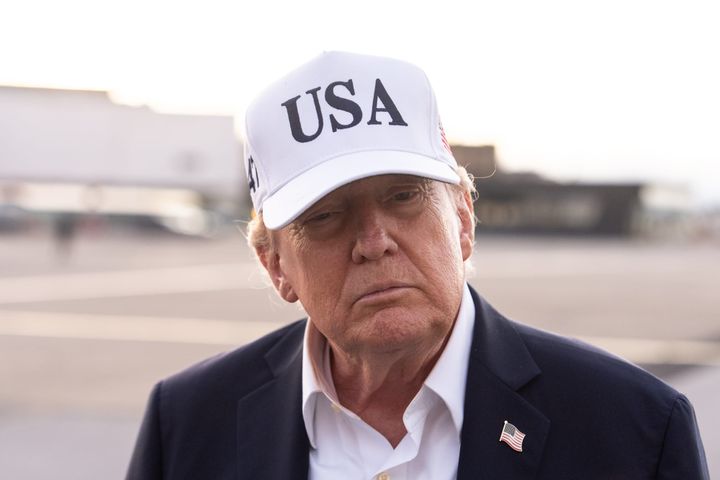
WASHINGTON (AP) — President Donald Trump said Tuesday he was delaying the 50% U.S. tariffs on $20 billion worth of Canadian imports after the two countries reached a last-minute deal less than two hours before the sanctions were to go into effect.
The announcement, which Trump made on his social media platform, buys time for more negotiations and avoids, for now, another strain in already tense relations between the historic allies.
“I have paused the 50% Tariffs against Canada, that were scheduled to kick in tomorrow morning for a three day period, based on the fact that Canada and the U.S.A., subject to the finalization of documents, have a DEAL!” Trump posted on Truth Social.
If they had gone into effect as scheduled at 12:01 a.m. Wednesday, Trump’s import taxes would have hit Canadian products ranging from hockey sticks to tongue depressors.
North Dakota – Canada Trade Connection
Canada is North Dakota's largest export market and a major source of goods imported into the state.
- $7 Billion in Exports: North Dakota exported $7 billion in goods to Canada in 2025—accounting for 80% of the state's total goods exports, according to the U.S. Trade Representative.
- $2.7 Billion in Imports: The state imports roughly $2.7 billion in goods from Canada annually, led by equipment and machinery, energy products, agricultural goods, and chemicals (Canadian government trade data).
- Tariff Outlook: Proposed 50% U.S. tariffs apply only to select Canadian products rather than all imports. However, Canada has threatened retaliatory tariffs if the measures take effect.
But the political impact would likely have been bigger than the economic one. Canada had threatened to retaliate against any new tariffs with levies of its own, aggravating a trade fight between countries that sold each other $880 billion worth of goods and services last year.
A White House proclamation said Canada had expressed a commitment to remove measures the Trump administration considers discriminatory against U.S. alcohol, dairy and motor vehicle exports. Canada did not immediately confirm those commitments.
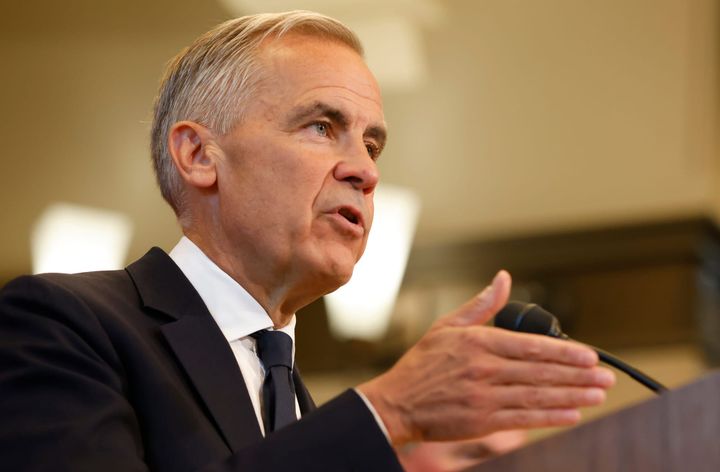
Canadian Prime Minister Mark Carney said in a statement “substantial progress” had been made but that important work remained, confirming Canada had agreed to the three-day delay while negotiations continued.
Carney and Trump had spoken twice by phone in the past two days about the ongoing negotiations, including a call Tuesday afternoon, Carney’s office said, underscoring the last-minute push for a deal.
Both countries had reason to step back from the brink. Nearly 72% of Canada’s goods exports last year went to the United States. And the Trump administration would be taking a risk by imposing a hefty new tariff — paid by U.S. importers who try to pass along the cost to consumers via higher prices — ahead of November’s midterm elections. U.S. voters are already frustrated with the high cost of living.
“I don’t think either side really wants these tariffs to come into effect,’’ Ryan Majerus, a partner at King & Spalding and a former U.S. trade official, said before the delay was announced. “There’s a pretty strong push on both sides to find an off-ramp here.’’
Canadian Chamber of Commerce President and CEO Candace Laing said in a statement that the three-day tariff delay offered businesses some relief but fell short of the certainty a signed interim agreement would provide.
“This limbo state is not anyone’s preferred outcome,” she said, urging negotiators to reach a deal quickly.
Trump’s approach to dealing with Canada marks an extraordinary departure from the traditionally cooperative relationship between the two countries. Trump has hit Canadian goods with tariffs — in a push to bring manufacturing back to the U.S. — and has repeatedly made inflammatory comments about turning Canada into America’s 51st state.
Trump has made tariffs the centerpiece of his second-term economic agenda. Last year, he imposed double-digit import taxes on almost every country, justifying them by declaring the longstanding U.S. trade deficit a national emergency. The Supreme Court in February ruled that he’d overstepped his authority, striking down those tariffs and setting the stage for the federal government to pay refunds to importers.
So Trump has looked for other legal authority to impose tariffs.
To hit Canada, he reached back to the Great Depression, invoking Section 338 of the Tariff Act of 1930 to threaten 50% tariffs on products that account for about 5% of Canadian exports to the United States.
Nearly a century ago, with the U.S. and world economies in collapse, Congress passed the 1930 tariff law, imposing taxes on imports from around the world. Known as the Smoot-Hawley tariffs, named for their congressional sponsors, they are notorious among economists and historians for limiting world commerce and making the Great Depression worse.
Section 338 tariffs have never been used before.
Section 338 authorizes the president to impose tariffs of up to 50% on imports from countries that have discriminated against U.S. businesses. No investigation is required to justify the levies. Nor is there any limit on how long the tariffs can stay in place.
The U.S. is renegotiating a North American trade pact — the US-Mexico-Canada Agreement — that Trump strong-armed America’s neighbors into accepting in his first term. The threat of Section 338 tariffs gives the United States leverage to seek fresh concessions from Ottawa.
Gillies reported from Toronto.